Zhang An
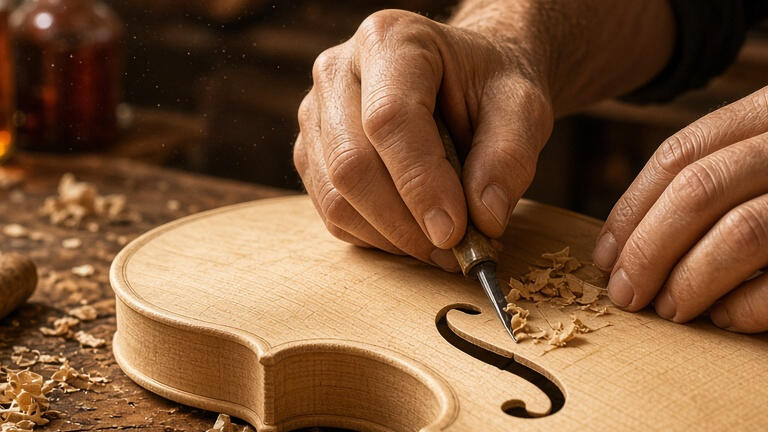
Violin, Viola & Cello Maker · Beijing
Public information about the Chinese maker Zhang An (张安)
AboutZhang An (张安), often written An Zhang, is an internationally recognized Chinese master luthier based in Beijing. He is regarded as one of China's premier fine string instrument makers. Associated with Beijing Baoqin (宝琴) and trained in the lineage of master Zheng Quan (郑荃), he is part of China's professional violin-making community.Training & EducationHe studied traditional Italian lutherie at Scuola Internazionale di Liuteria di Cremona (International School of Violin Making in Cremona, Italy).
Awards2003 Cremona X Triennale — Third prize viola; honourable mention violin.2008 Cremona Triennale — award recipient, cello.2013 Beijing competition — Silver / 2nd place, viola and cello.Industry LeadershipPresident of the Violin Makers Branch of the China Musical Instrument Association; frequently sits as a judge on international lutherie competition juries.
Instruments / Gallery
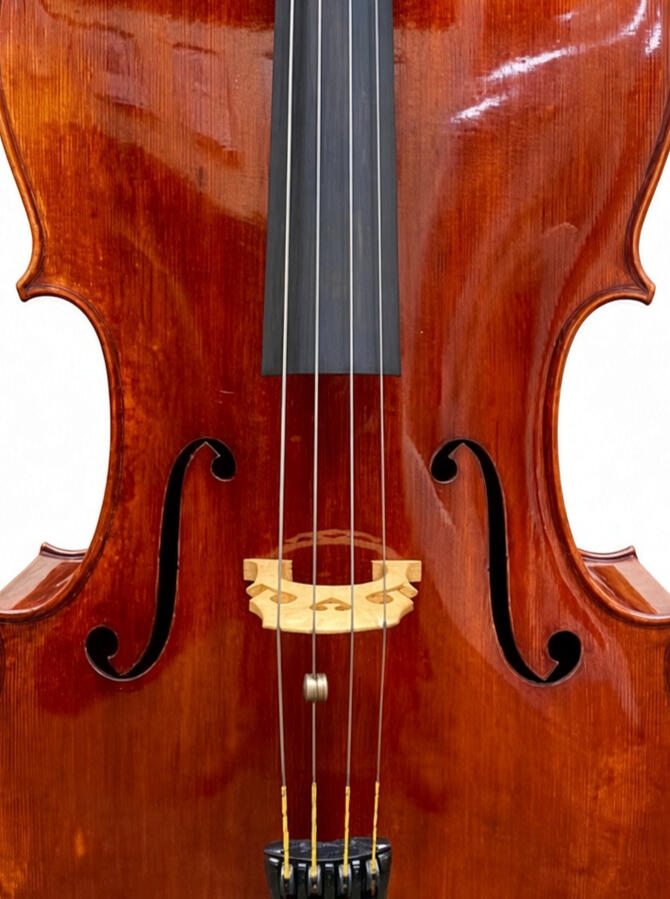
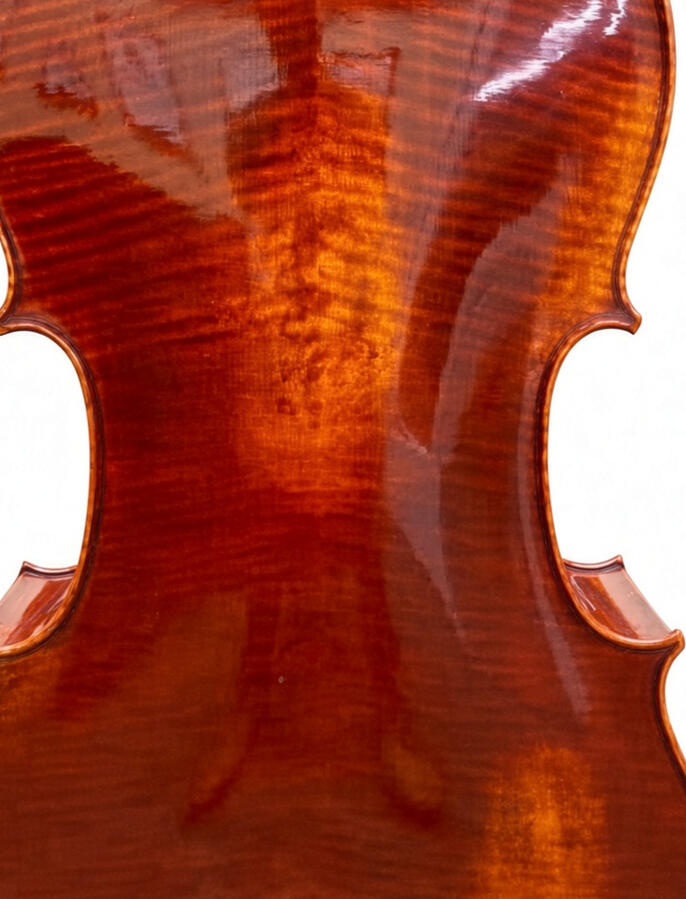
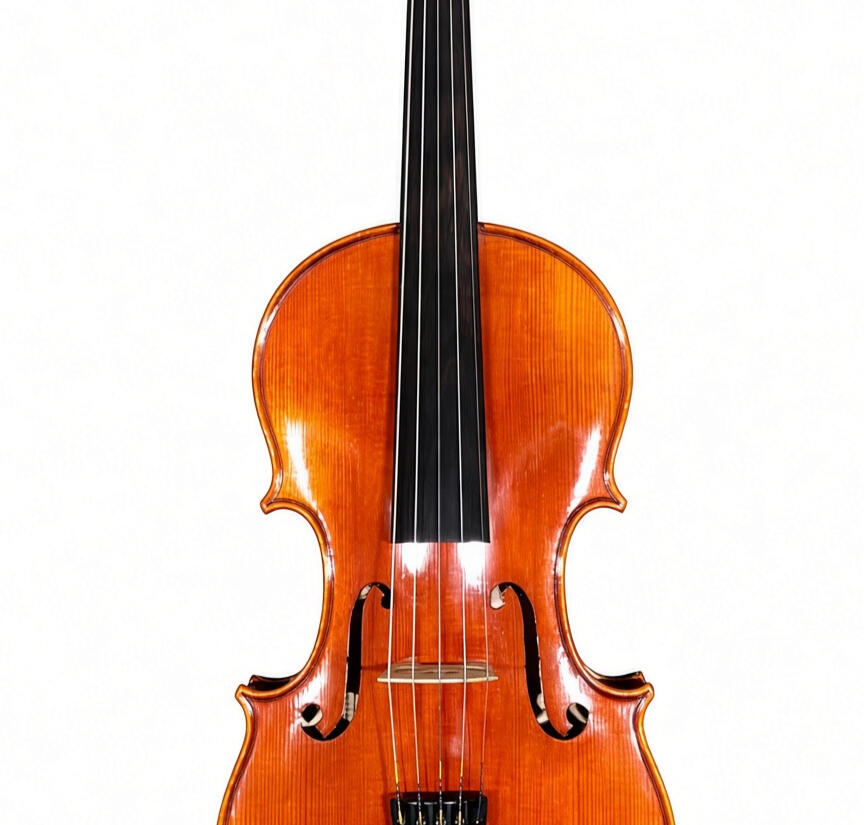
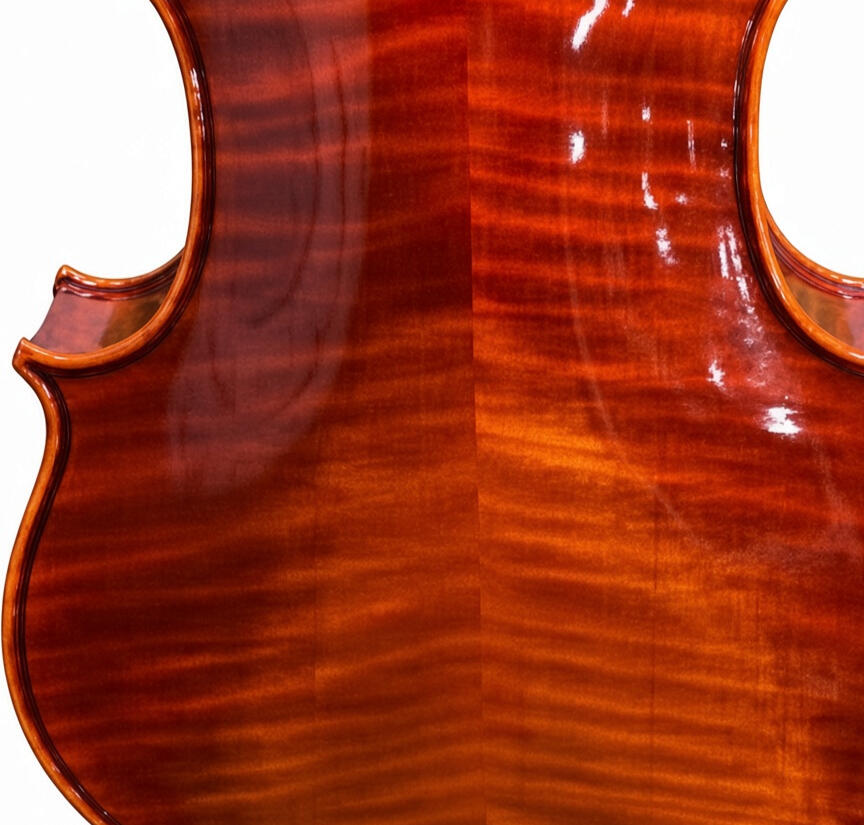
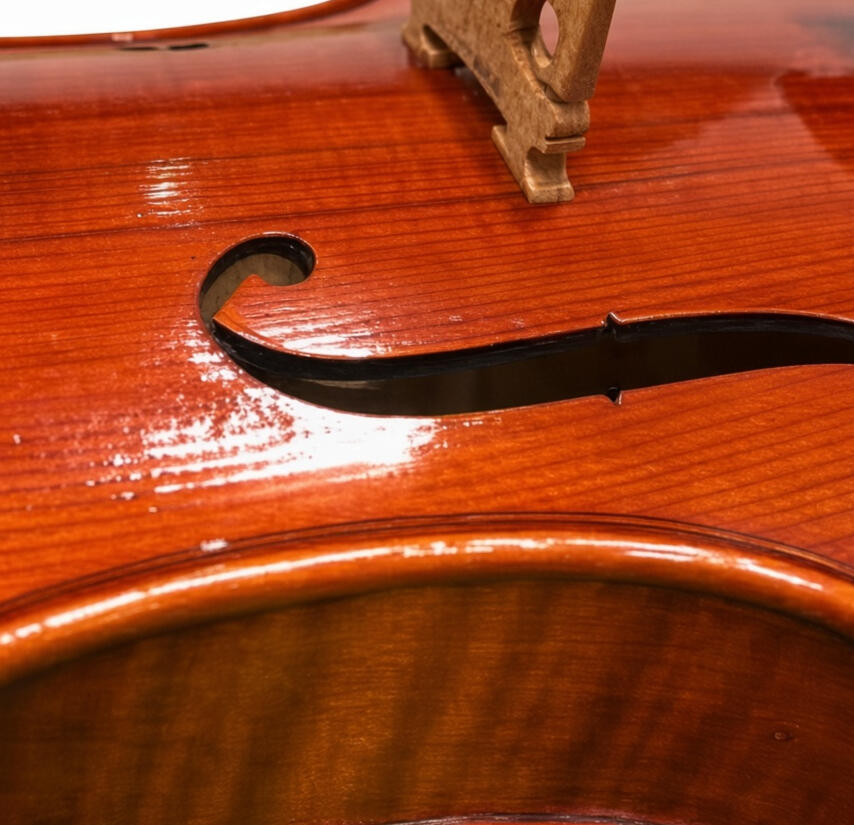
More about Zhang AnCredentials- Level 1 / Senior Technician (一级/高级技师), listed in the China Musical Instrument Association qualification database; certificate 1158003001100009, dated September 14, 2011.
- Member of EILA (Entente Internationale des Maîtres Luthiers et Archetiers d’Art).
- Technical chief adviser to INNEO International Musical Instruments. His personal works are presented separately from the PHOENIX production lines.
- Expert roles include the National Musical Instrument Industry Expert Committee and the Violin-Making Qualification Examination Committee. He has also served as a competition judge, including on panels with Alberto Giordano, Simeone Morassi, Nicolas Perrin, and Gregg Alf.Path into lutherieZhang An (张安) did not come from a violin-making family. Childhood model aircraft led to an interest in making; learning violin in high school connected that interest to music. A 1988 lecture at the Central Conservatory of Music (CCOM) by an Italian maker prompted his career turn toward lutherie.Training timeline- 1987 — Studied violin performance at the Central Philharmonic Orchestra Social Music School.
- 1991 — Began formal violin making.
- 1993 — Entered the Violin Making Center of the Central Conservatory of Music; student of Zheng Quan (郑荃).
- 1997–1998 — Worked in the CCOM violin-making center, focusing on assembly.
- 2000 — Established a private workshop.Competition record- 1997, Mittenwald — Participated.
- 1998, Tchaikovsky International Violin-Making Competition — Outstanding result reported.
- 2003, Cremona Antonio Stradivari — Viola: 3rd prize / silver; violin: 4th place.
- 2006, Wieniawski — Violin finalist, 10th place.
- 2007, Manchester cello competition — Cello finalist, 5th place.
- 2010, First China International Violin Making and Bow Making Competition — Viola: 2nd prize / silver; the instrument was permanently collected by the National Centre for the Performing Arts (国家大院).
- 2013, Second China International Violin Making and Bow Making Competition — Viola: 2nd prize / silver; cello: 2nd prize / silver.
- 2014, Italian antiqued-instrument competition — Viola: Best Sound Quality / silver.CollectionsZhang An’s instruments are held in museum collections. The National Centre for the Performing Arts (大剧院) holds works including a Zhang An cello and the award-winning 2010 viola.Workshop 宝琴工坊 (Baoqin)From around 2010, Baoqin has operated in Beijing’s Chaoyang district, in Hegezhuang / No. 1 International Art District—an art community by design. The workshop is a small team of about four to five people. A piece typically takes roughly two months to move from wood to finished instrument, and Zhang still carves personally. Baoqin is a working atelier, not a nameplate factory brand.Craft notesTraditional bone and rabbit-skin glues are used. There is very little sandpaper: surfaces are shaped with constantly sharpened knives. Alcohol varnish often takes 40 or more coats. Geometry is highly sensitive; a change of about 1 mm in curvature can alter the sound. Sources mention Bosnian maple among workshop woods, although the exact component use is not consistently specified.Performer collaboration is central to the work, as in the 2003 viola made with Wang Changhai of CCOM. Zhang describes the craft as a meeting of mechanics, acoustics, aesthetics, and music—master craftsmanship rather than merely a brand.INNEO / PHOENIXZhang’s adviser role at INNEO and appearances connected with PHOENIX exhibitions do not mean that every PHOENIX model is a personal Zhang An handmade instrument. His own works are presented separately from the production lines.DocumentationNo complete public opus or serial-number catalogue has been found online. That is normal for a maker at this level; individual instruments and documented competition or collection records provide the available public reference points.